
Introduction
I was once on a dusty plant floor, watching a line slow to a crawl because a single motor hiccuped—everyone looked puzzled. As I said to the crew, an electric motor supplier can make or break uptime when parts and service lag. Recent shop-floor audits show small faults cause up to 20% of unplanned downtime in mid-size factories (you’ve seen it—tools scattered, the foreman on the phone). So I ask: how do you pick a partner who actually trims that waste and keeps torque steady under load?

I’ll walk through what I’ve learned from hands-on fixes, some simple data, and a few lessons that cost money to learn. We’ll look at real trade-offs, not buzzwords, and I’ll point to the technical signs I watch for—variable frequency drive behavior, torque control quirks, and the role of proper power converters. Ready? Let’s move from the shop floor to the solution checklist.
Why Common Fixes Miss the Mark
electric motors supplier choices often hinge on price or speed, and I’ve seen that narrow focus fail fast. Many teams buy motors or controllers that seem fine on paper but don’t match real load profiles. That mismatch shows up as heat, noise, and early failure—symptoms everyone notices, yet they keep buying the same way. Look, it’s simpler than you think: a spec sheet won’t tell you how a motor behaves under fluctuating torque or dirty power.
What’s the real snag?
Here’s the technical slice: legacy approaches assume steady-state operation and minimal harmonics. In truth, manufacturing lines and mobile platforms create variable loads and noisy supply lines. Variable frequency drives that aren’t tuned will hunt, brushes (if present) wear quicker, and power converters suffer. I’ve fixed systems where a subtle VFD parameter change cut failures in half. — funny how that works, right? The deeper problem is process-fit, not just component quality. You need someone who measures, interprets, and adapts, not just ships parts.
New Technology Principles for Better Motor Choices
Moving forward, I focus on three tech principles that separate suppliers who add value from those who simply sell equipment. First: adaptive control over one-size settings—control algorithms that learn load patterns reduce stress on the rotor and bearings. Second: smarter diagnostics—edge sensors and simple logging let you see a wobble before it becomes a breakdown. Third: correct power stage design—clean power and the right power converters keep bearings and insulation happier for longer. These are not flashy; they are practical and they save days of downtime.
What’s Next for buyers?
When I advise teams, I show them how electric motor & supply choices affect their maintenance plan and energy bill. Consider modular drives that allow field tuning. Ask for baseline vibration and temperature reports. Demand simple analytics so you can predict trends—small data, big wins. In short: prioritize fit, feedback, and field support.
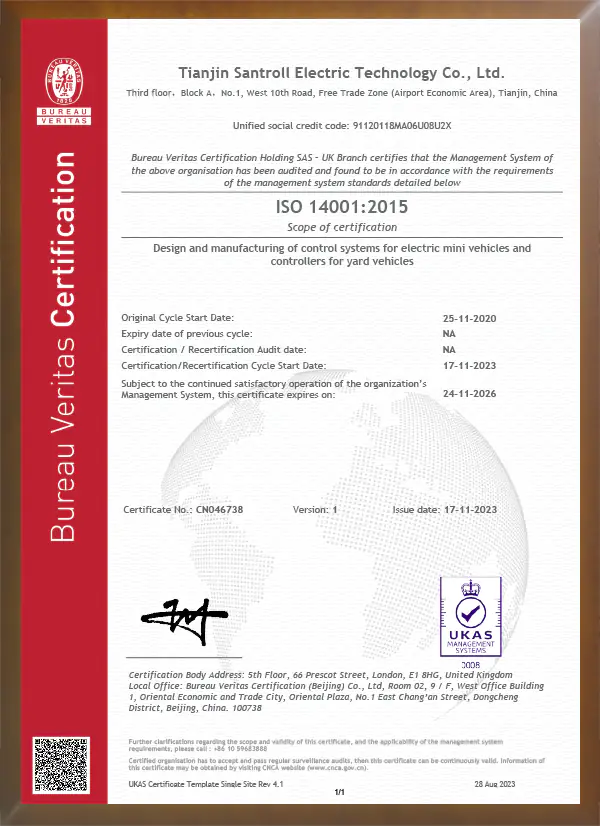
To wrap up, here are three clear metrics I use to evaluate any solution: 1) Measured MTBF improvement and how it was calculated, 2) Energy savings from matched drive-to-load tuning, and 3) Responsiveness of field support (response time and repair/shop-turnaround). Use those as your scoreboard when comparing vendors. I’ve seen these metrics turn vague promises into real dollars saved—so test them. For a partner with hands-on experience and a practical toolkit, check out Santroll.
