
Introduction: A Morning Rush, a Clumpy Wand, and a Better Question
Ever dashed out the door, only to find your liner skipping like a stone across water? The eyeliner tube in your bag looks fine, but the line comes out patchy, the tip feels dry, and your mood sinks—classic. Reports from user groups suggest about a third of us bin a tube early, not because the formula is bad, but because the package stops playing nice. If you’ve eyed an empty eyeliner tube to refill and cut waste (and cost), you’re onto something. But here’s the rub: lots of refills underperform due to small, hidden design choices—wipers that scrape too hard, caps that loosen, or barrels that let air seep in. That’s the scenario. The data points to packaging, not just product. So the real question is this: how do we compare what’s on the inside with the hardware that delivers it, and choose smarter—sweet as?
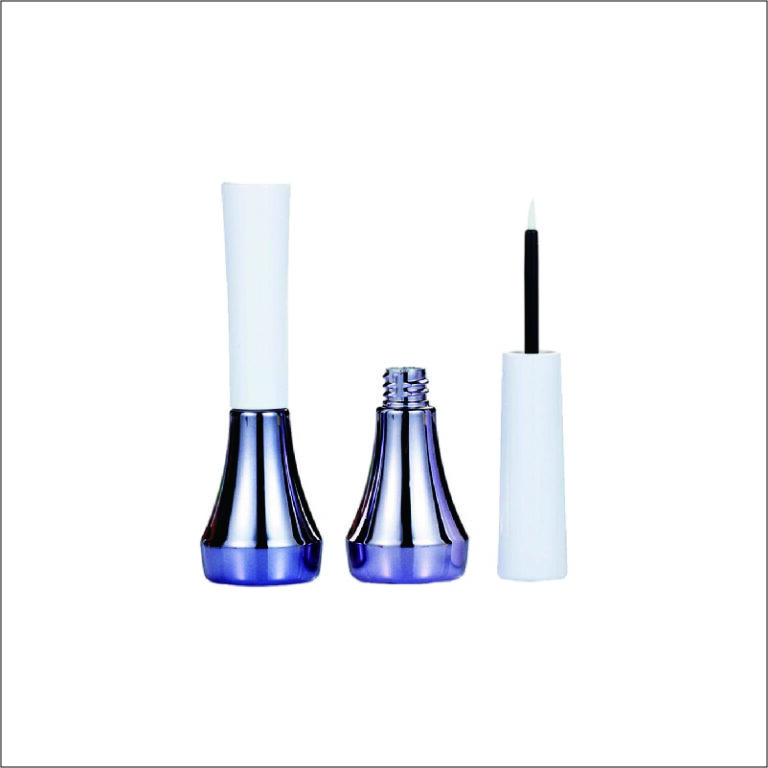
Let’s break it down and see where the old way falters, and how the new kit can lift your daily draw—no dramas.
Part 2: The Hidden Pain Points Inside an Empty Tube
Why do refills still leak?
Technical truth time. In an empty tube, three small parts run the show: the wiper, the applicator stem, and the cap seal. If the wiper’s durometer is too firm, it scrapes off too much formula; too soft, and it floods the tip. If the cap threads don’t hold torque, the seal relaxes, air gets in, and viscosity spikes over a week—funny how that works, right? Material choice matters too. PP resin behaves different from PETG under heat, and an anodised collar won’t save a poor interference fit. Micro gaps let solvent flash off. That’s why a tube can look full but draw like it’s empty.
Now the user side. Refills are sold as “easy.” Look, it’s simpler than you think, but there are traps. Most people overfill past the wiper seat, then force the stem, nicking the lip. Others reuse caps without checking compression set on the liner, so seal integrity drops fast. Few folks do a basic torque check after closing—finger snug isn’t a measure. In-house, teams run torque testing and leak rate checks; at home, you’ve got feel and hope. That mismatch is the pain point. So, when we say “an empty tube underperforms,” we often mean “the system wasn’t tuned to your formula or your habits.” No worries—there’s a smarter path next.
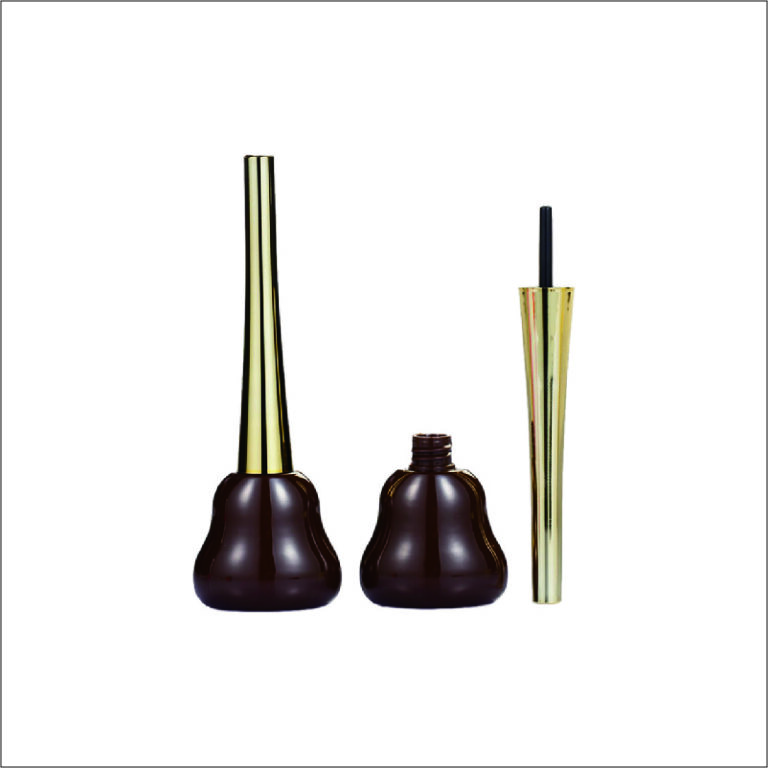
Part 3: Forward-Looking Design—How New Tubes Change the Draw
What’s Next
Here’s the comparative insight, done semi-formal. Old-school tubes rely on tight scraping and wishful sealing. New designs work by principle, not luck. Think low-friction wipers in TPE blends that balance wipe force with capillary flow. Add fluoropolymer liners in the cap for solvent resistance, and you hold torque longer with less creep. Some barrels switch to co-extruded layers to slow solvent loss (smaller diffusion paths), keeping viscosity within spec. Others go airless with micro-valves that vent out, not in—less oxygen, less clumping. When you pair that with zero-headspace filling and a clean stem, the first line stays as smooth as the fiftieth. If you’re comparing options, try dropping your current wand into a modern liquid eyeliner tub and watch how the tip loads. You’ll see the flow difference in one swipe.
We could spin this as hype, but let’s keep it real. The gains show up in fewer dry starts, steadier line weight, and less mess during refills—simple, visible stuff. And the core idea stands: packaging is a delivery system, not just a shell. Summary of the journey so far: tiny parts make big outcomes; refills fail when seals, wipe forces, and fill methods clash; new tubes use better materials and tighter tolerances to steady the draw—funny because it was always about fit, not flash. To choose well, use three checks: 1) Seal integrity over time—ask for leak rate or at least a 7-day dry-out test. 2) Wiper-material and formula match—look for viscosity range and applicator stem polish data. 3) Torque retention after five cap cycles—does it hold spec, or drift? With those in your pocket, you’ll spot the right system faster, and your liner will behave like it should, day in, day out. For deeper specs and sample paths, see NAVI Packaging.
